
Forget alcohol – it's time for mocktails! Let us inspire you with the best and most creative non-alcoholic homemade mocktail drink recipes.
Trending Recipe Ideas
Tried and tested easy drink recipes that readers are loving right now:
- Amazing Non Alcoholic Peach Bellini Mocktail
- Non-Alcoholic Cucumber Gimlet Mocktail
- Homemade Strawberry Acai Refresher Recipe
- Refreshing Paloma Mocktail Recipe to Brighten Your Day
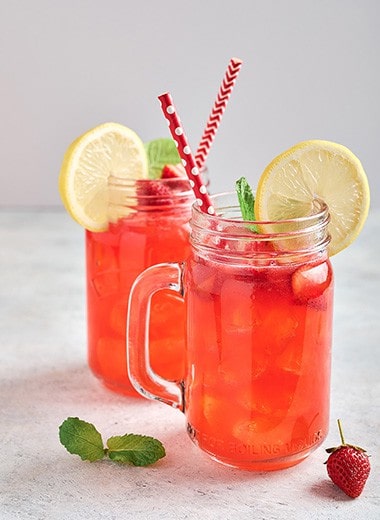
- Homemade Strawberry Acai Lemonade (4 Ingredients)
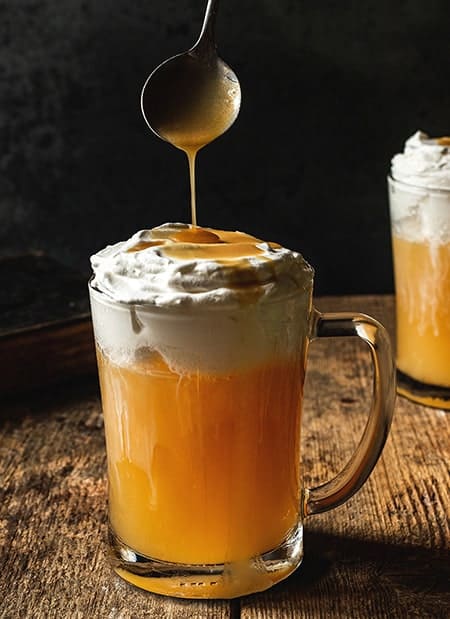
- Non-Alcoholic Butter Beer Recipe
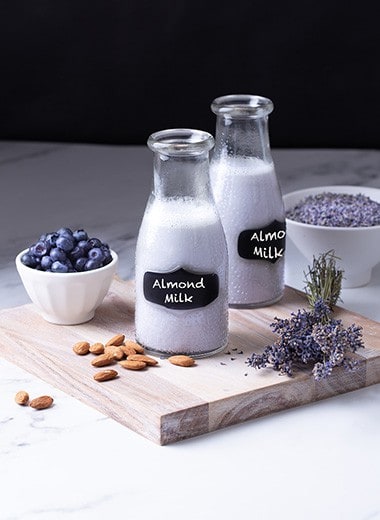
- Blueberry Lavender Almond Milk Recipe
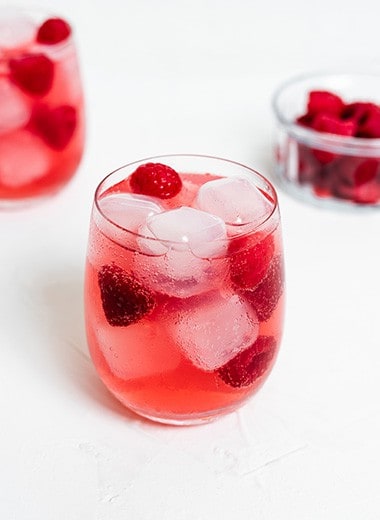
- Non Alcoholic Pink Whitney Drink to Make at Home
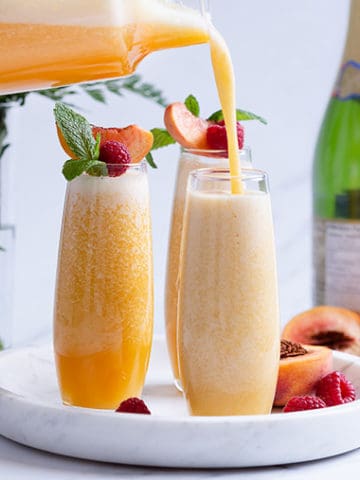
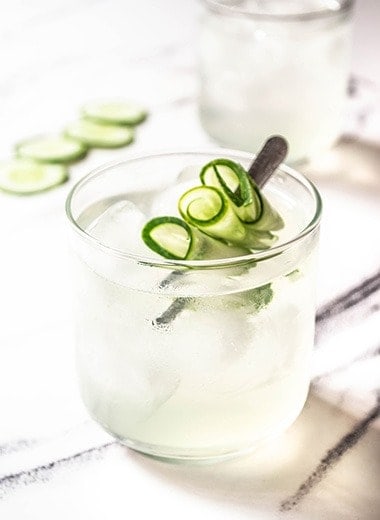
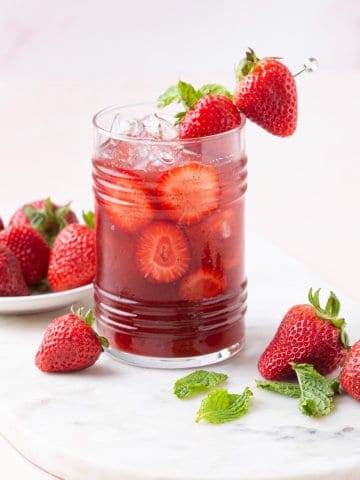
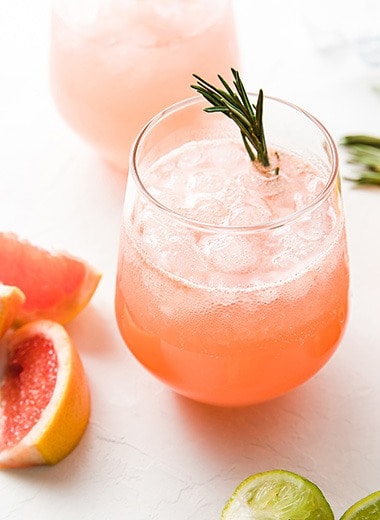
Best Mocktails
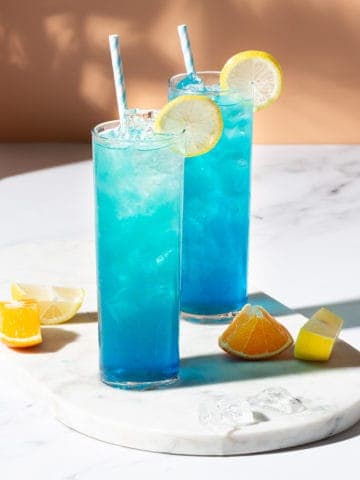
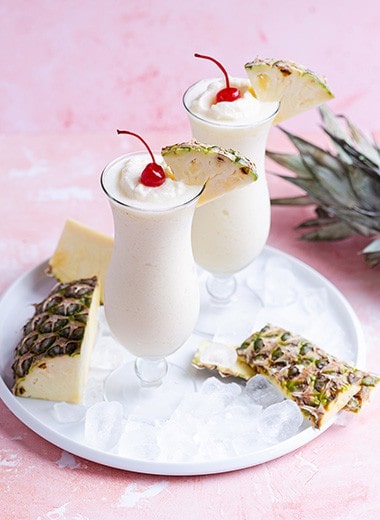
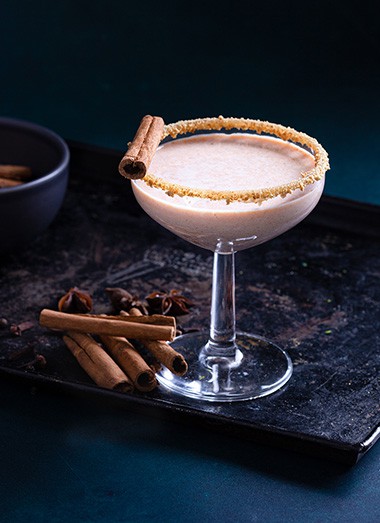
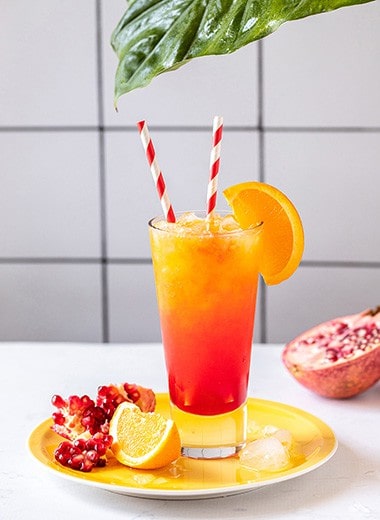
Amazing mocktail recipe ideas with a thoughtful combination of flavorful, high-quality ingredients - ginger, lime, lemon juice, mint, lemonade, tonic water.
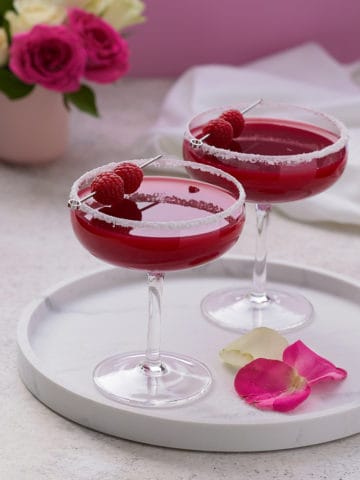
See more Mocktails →
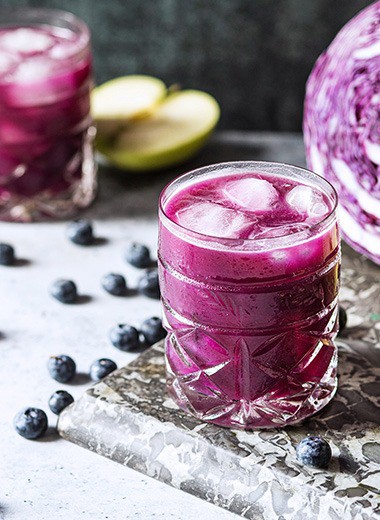
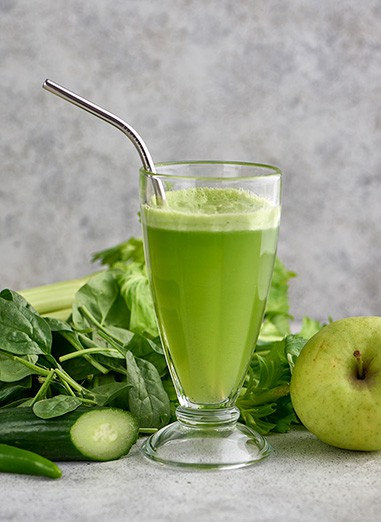
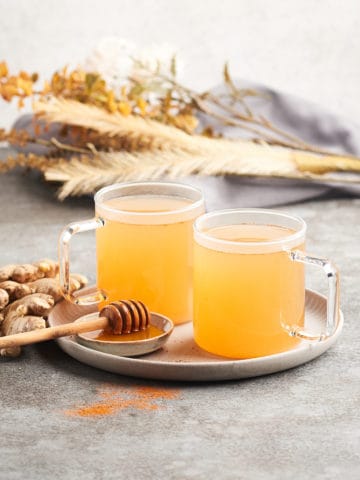
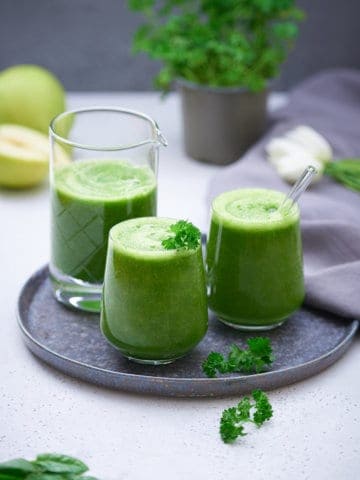
Weight Loss Drinks
Sticking to your diet has never been so easy or so yummy.
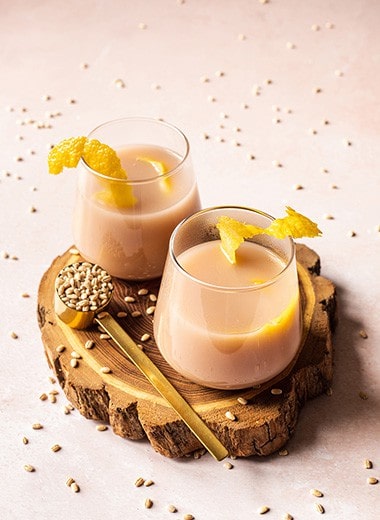
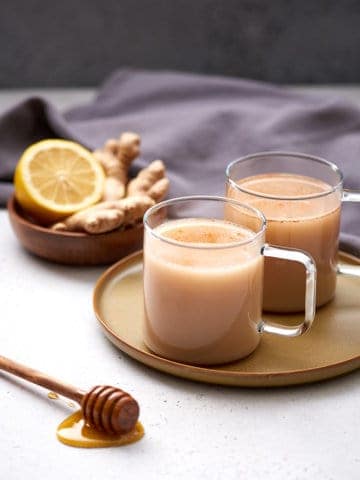
Mojito time!
There is nothing like a good, flavorful mojito cocktail without alcohol.
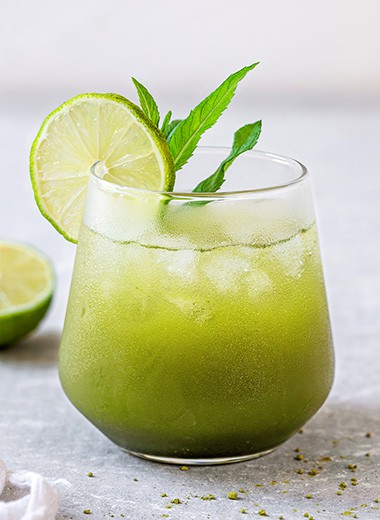
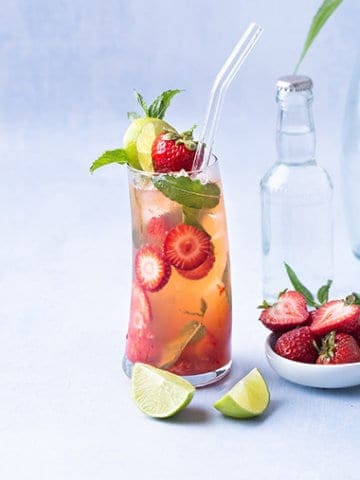
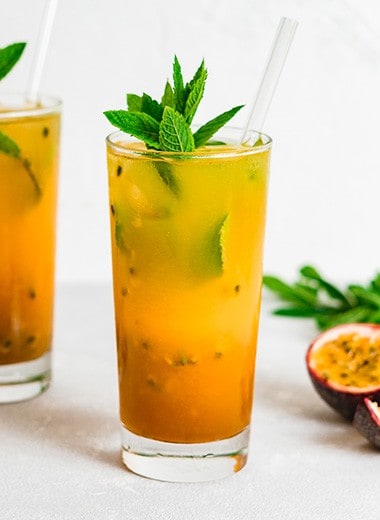
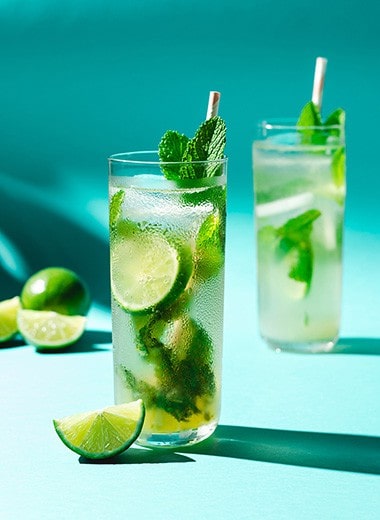
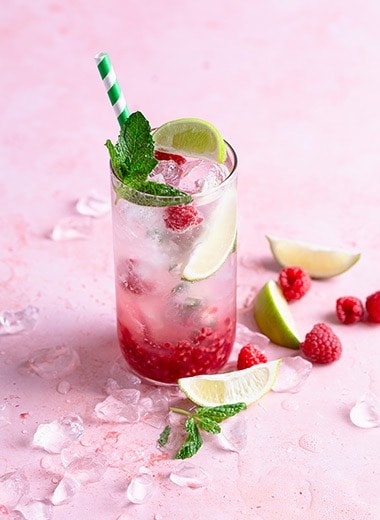
See more Non Alcoholic Mojitos →
Gift Ideas
These awesome gift ideas are perfect for the non drinkers in your life. They are exciting, unique and fun!


See more Gift Ideas →
Brand New
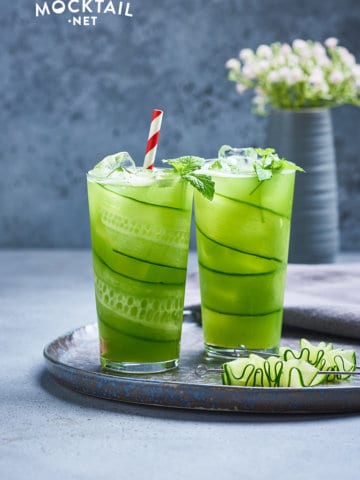
- Green Cucumber Mocktail
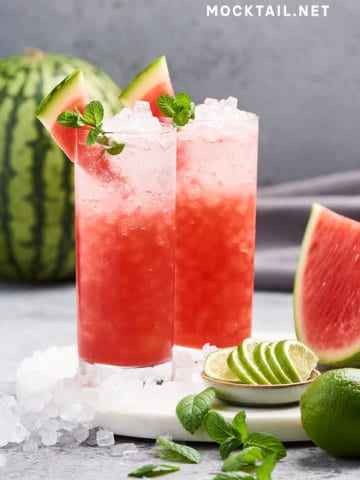
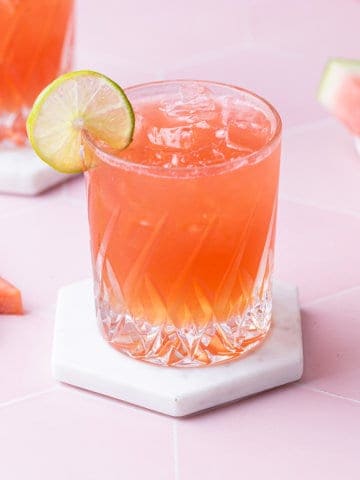
- Watermelon Mint Mocktail Recipe
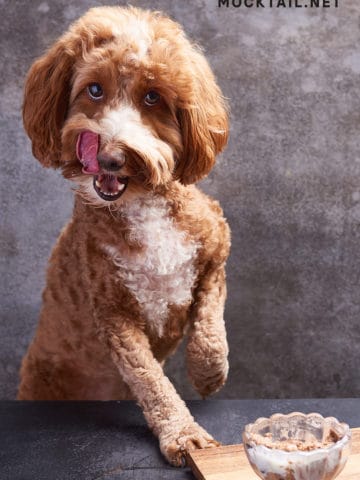
- How to Make a Puppuccino at Home?
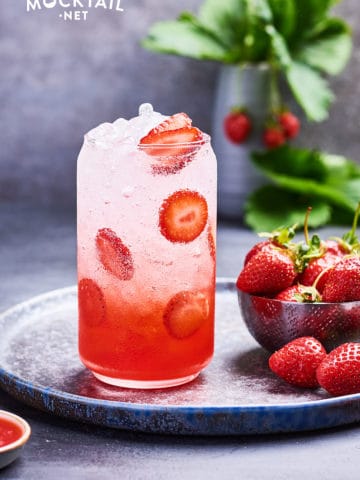
- Homemade Strawberry Soda
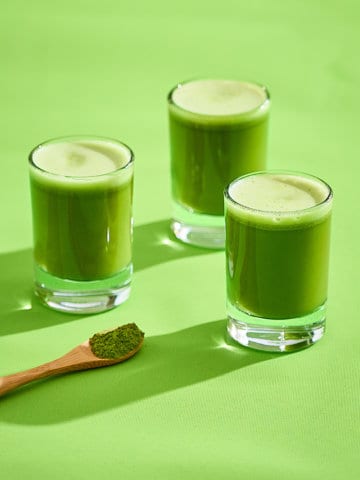
- Healthy Green Tea Shots
- White Monster Homemade Energy Drink
- Pineapple Matcha Drink Recipe
- Agua de Horchata - Refreshing Rice Water
- Violet Drink Recipe – Starbucks Copycat
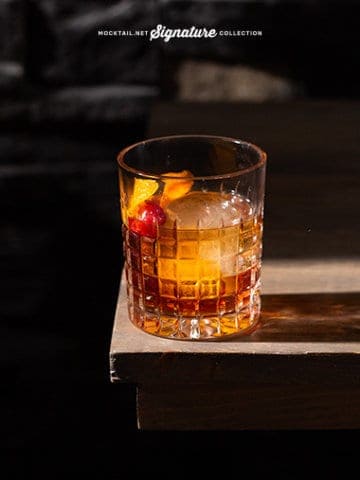
- «New Fashioned» Drink – Signature Collection
- Johnny Vegas Drink Recipe
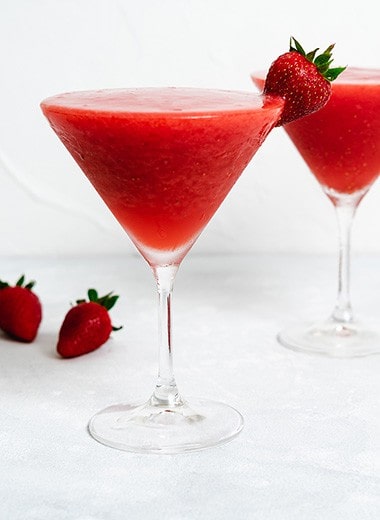
- Best Easy Strawberry Daiquiri Mocktail
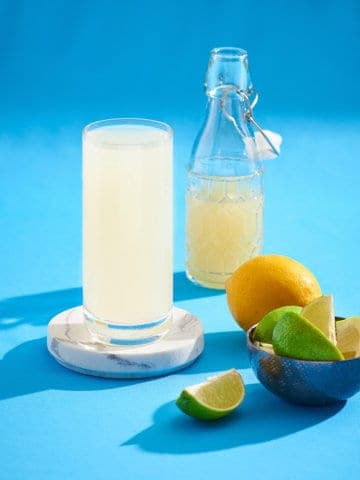
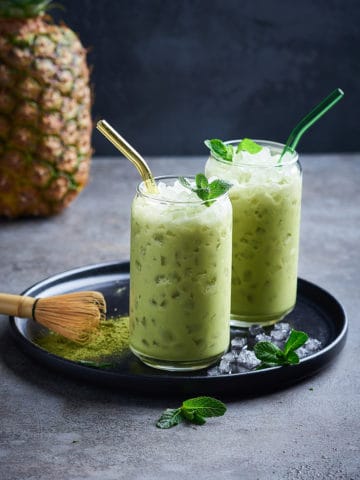
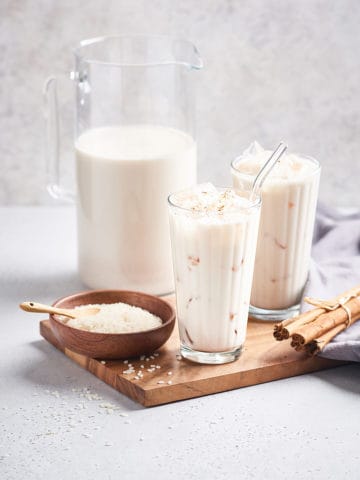
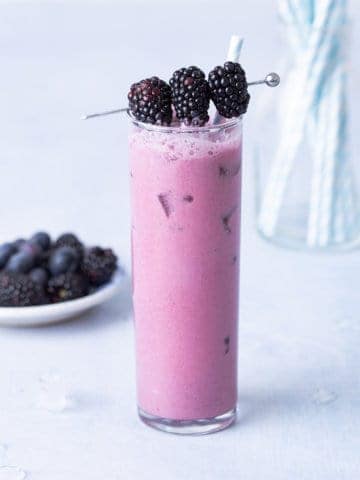
Perfect Drinks
Add something festive to any occasion - whether looking for a kid-friendly party punch or a citrusy lime brunch drink, find the best drinks for every occasion.
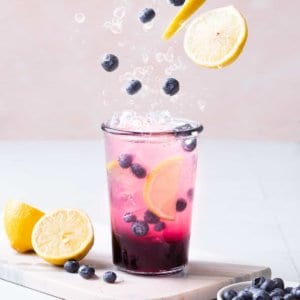
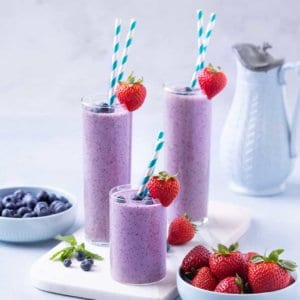
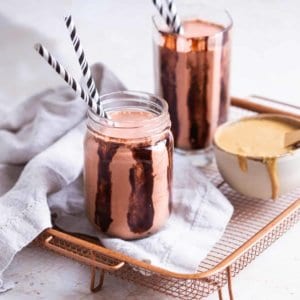
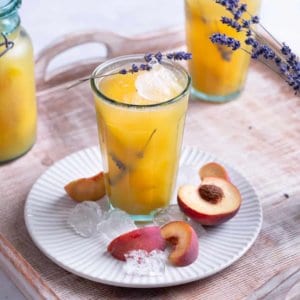
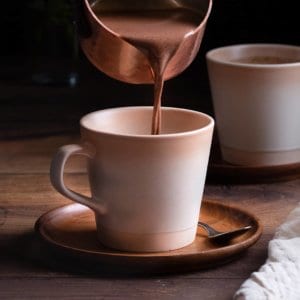
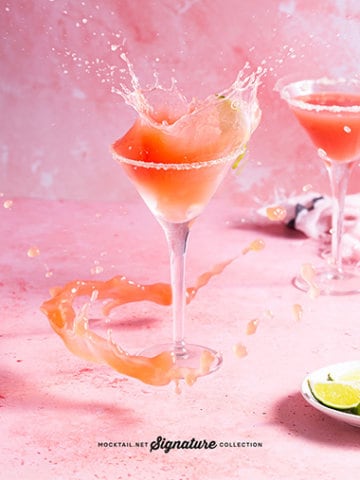
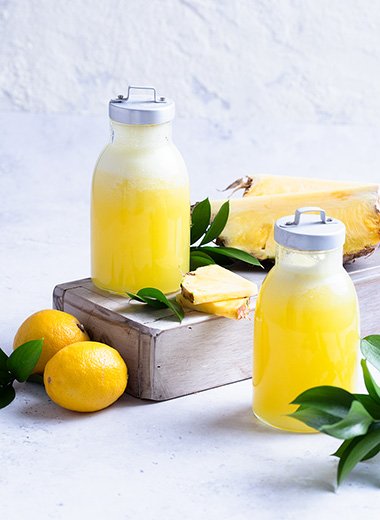
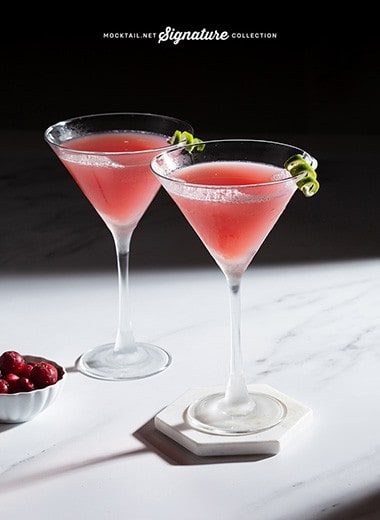
Signature Mocktail Collection
Fancy trendy drink ideas for all! Some highlights of our amazing signature mocktail recipes:
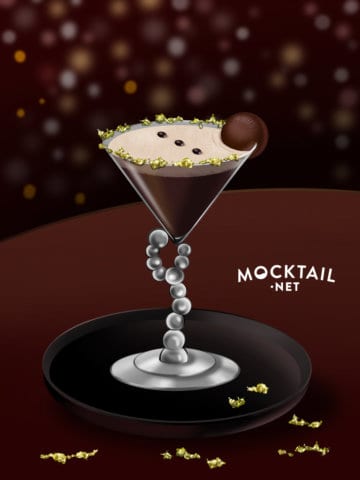
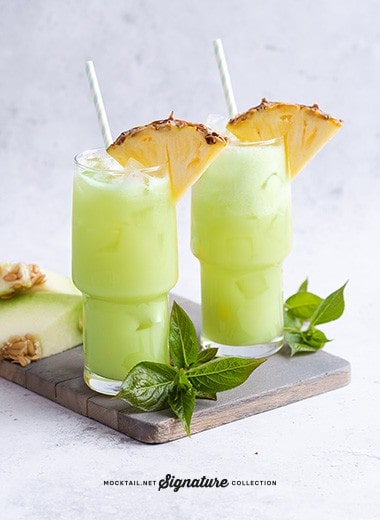
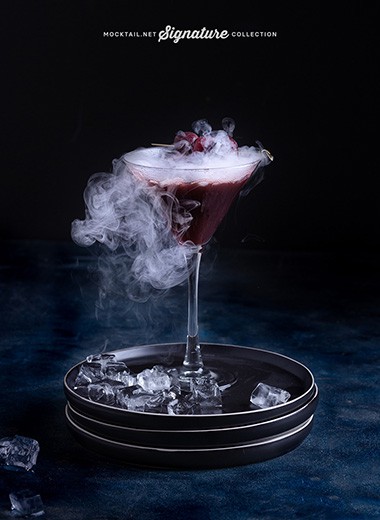
See more Signature Mocktail Collection →
Tips & Drinks
The best easy tips and tricks for making amazing drinks at home
Easy Smoothies
Try one of our greathealthy smoothies to start your day. Find an easy smoothie recipe for snack, weight loss, fitness, kids, and more!
- Healthy Rainbow Smoothie Recipe
- Coconut Lovers Smoothie Recipe
- Peanut Butter Chocolate Smoothie Recipe
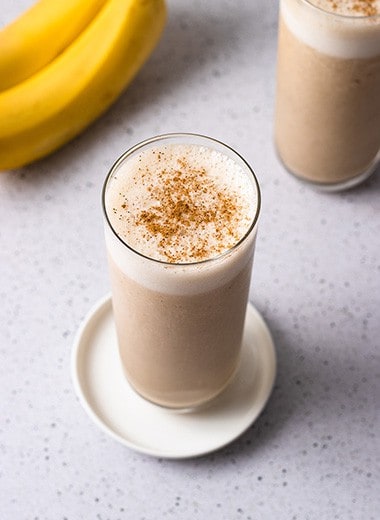
- Spice Banana Cinnamon Smoothie
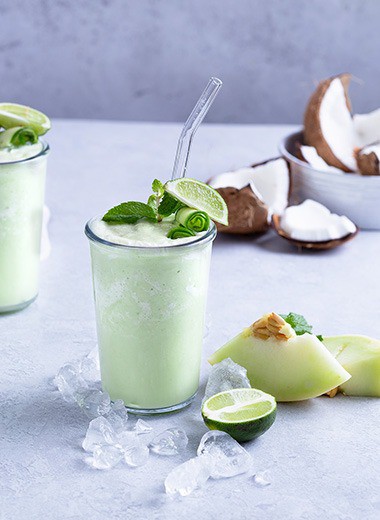
- Delicious Green Power Honeydew Smoothie That You Will Love
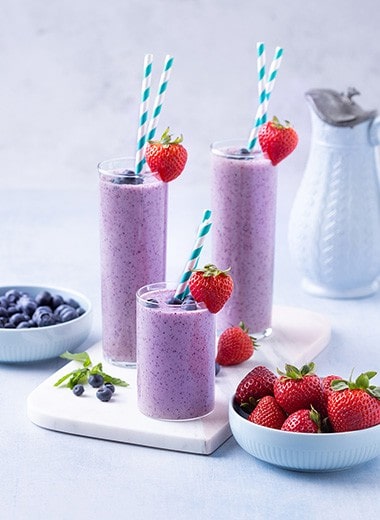
- Strawberry Blueberry Banana Smoothie
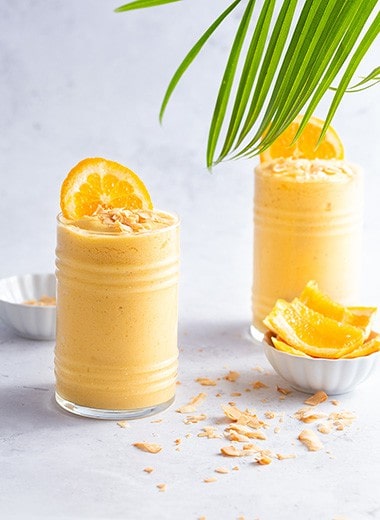
- Toasted Coconut and Orange Smoothie
- Delicious Blueberry Lemon Smoothie You Will Love
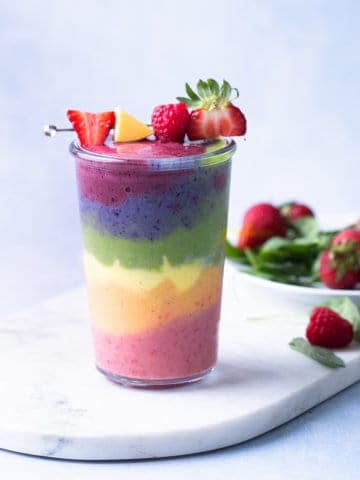
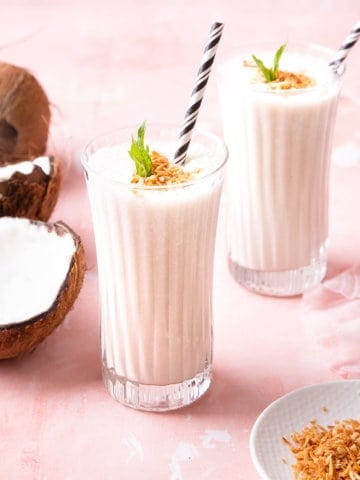
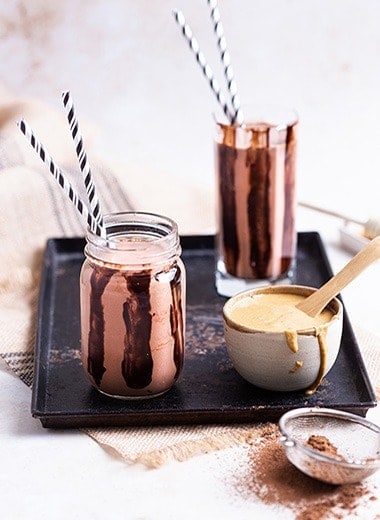
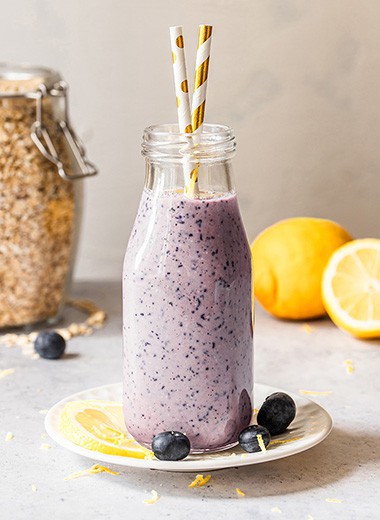
More Smoothies →
Sober Curious?
Learn more about the sober curious movement, mindful drinking, and how to stay sober..
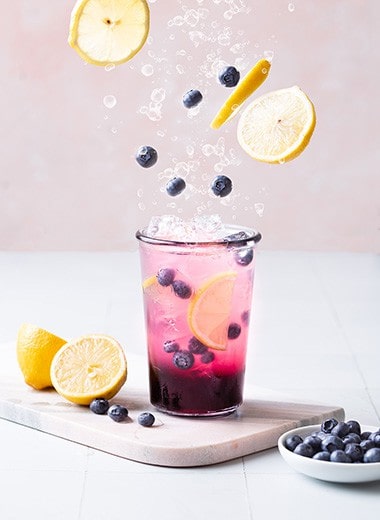
Refreshing Drinks
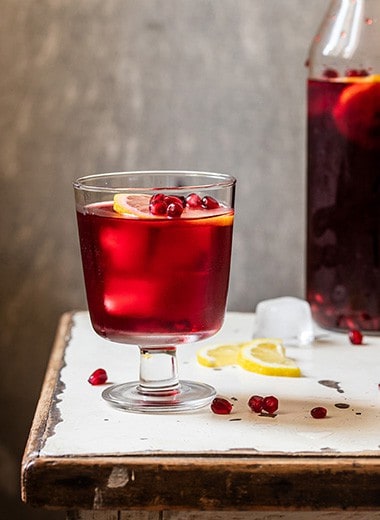
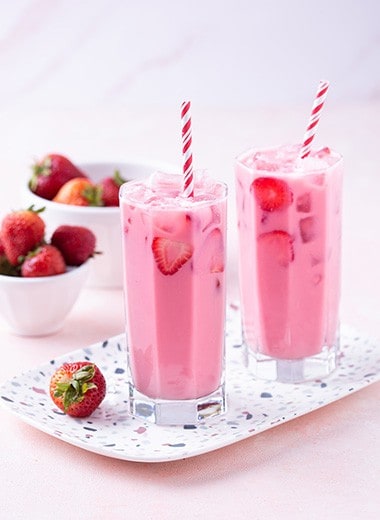
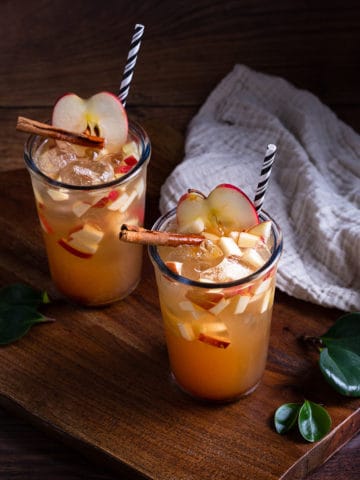
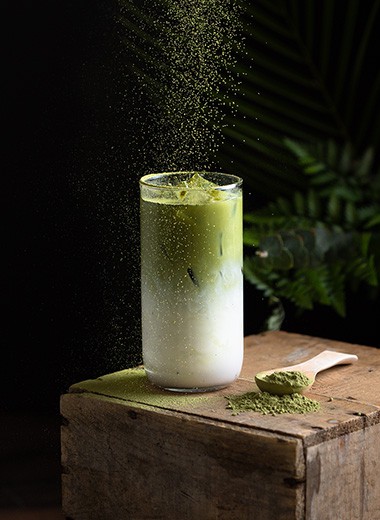
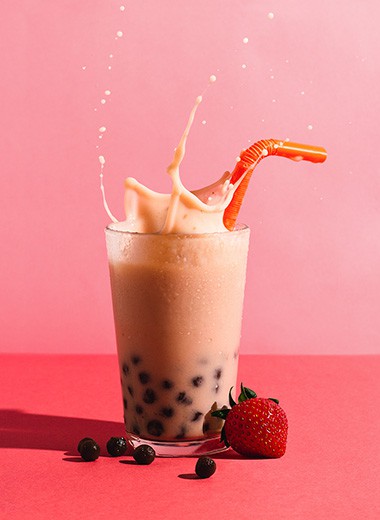
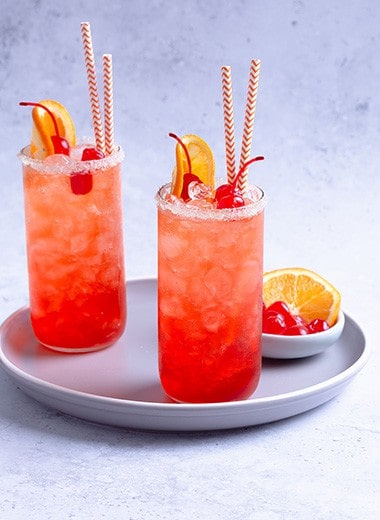
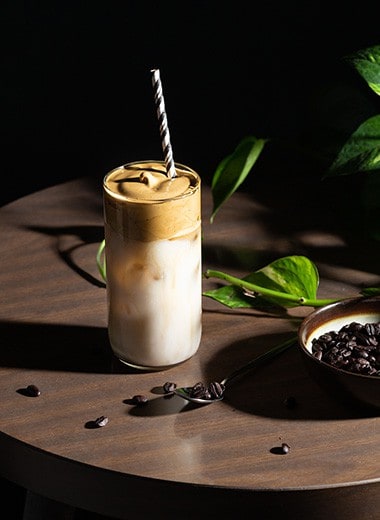
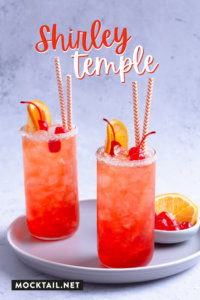
Need more Refreshment like the Shirley Temple Recipe? Refreshers →

Rethink your Drink!
Our mission is to inspire you with the best creative recipes: ideas for mocktails, refreshers, smoothies, and other high-quality homemade drinks. Drink more healthy and flavorful non-alcoholic drinks!
All your important questions about Mocktails:
What mocktail means?
A mocktail is a non alcoholic drink made from a mix of juices, soft drinks, herbs and flavorings. The word mocktail comes from the work “mock” which means fake and the word cocktail. Essentially, a mocktail is a fake cocktail. Mock-tail. Get it? We love a good play on words!
What is mocktail and example?
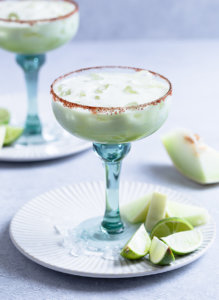
A mocktail is a cocktail without the alcohol. Almost any cocktail can be transformed into a mocktail. For example, you can take a margarita and turn it into a mocktail by eliminating the tequila. Of course, you need to boost the flavor of the drink a little bit since you are removing a main ingredient. But that is where we can help! We know all about tweaking cocktail recipes to turn them into mocktails.
Which mocktail is best?
That is an impossible question. There are so many amazing mocktails! Our peach bellini mocktail and frozen margarita mocktail are both pretty popular. If you’re looking for something a little more interesting, try our love mocktail or our black mocktail.
Are mocktails alcoholic?
Nope! Mocktails contain no alcohol at all. That makes them perfect for everyone to enjoy, from those looking to live a dry life or for kids who want something tasty. You won’t find a drop of alcohol in any of our mocktail recipes!
Is a mocktail just juice?
Not at all! Mocktails are way more than juice. They are perfectly crafted mixes of juices, sodas, flavorings, herbs and spices. Some mocktails are made with fresh fruits and others are made with ground herbs. Some have homemade syrups and others might require some tabasco sauce. Every mocktail is so different! But they are definitely not just juice.
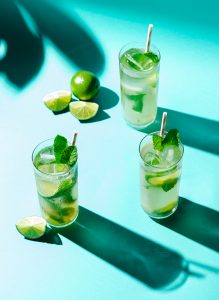
Is Mojito cocktail or mocktail?
Mojitos are classically made with rum which makes them a cocktail. However, we have an incredible mojito mocktail that is alcohol free.
What is the point of mocktails?
Many people choose not to drink alcohol or cannot drink alcohol for medical reasons. Mocktails are the perfect way to give everyone access to tasty, mouth watering drinks. Just because you don’t drink alcohol doesn’t mean you can’t have a yummy, fancy drink!
Is mocktail good for health?
There are many mocktails that are quite healthy. Lots of mocktails recipes have fresh fruits and herbs that have numerous health benefits. Mocktails are also refreshing and hydrating. Drinking lots of liquids is always a good idea.
How do you drink a mocktail?
Most mocktails are best when served cold. Different mocktail recipes will ask for different types of glasses. A martini mocktail is great in a martini glass while a high ball glass is good for a classic Tom Collins mocktail.
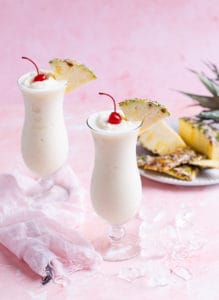
Most mocktails are good right from the glass but some will be yummy with a straw. A pina colada mocktail is a great example of a straw-worthy drink!
Why are mocktails so popular?
Because they are delicious! Mocktails are also popular because everyone can enjoy them. Kids and adults can both drink mocktails without worry. Mocktails have interesting flavors and unique tastes that you can’t get with any other drinks.
Why do people love mocktails?
People love mocktails because they are alcohol free and very flavorful. You can drink as many mocktails as you’d like without having to worry about hangovers or side effects.
Mocktails look fancy so they are great for parties and get-togethers. There are also so many different types of mocktails you can try so you will never grow tired of drinking mocktails. They are just all around great!
What are some virgin drinks?
There are hundreds of virgin drinks on our website. In fact, every single recipe here is alcohol free. We have virgin pina coladas, virgin daiquiris, virgin margaritas and even virgin Manhattans!
Are mocktails sweet?
Many mocktails are sweet. Lots of them are made with sweetened juices or have honey or sugar added in to sweeten the drink. People like sweet so sweet mocktails are pretty popular!
If you are looking for a mocktail that is not sweet, try our non alcoholic negroni or our ginger beer recipe.
Why mocktails are better than cocktails?
Mocktails are better than cocktails because they have no alcohol. There is no harsh, burning taste from alcohol and also no side effects from drinking mocktails. You will never be hungover after drinking a mocktail!
Mocktails are extremely flavorful and come in all different flavors. You will never grow tired drinking mocktails and you get to enjoy them anytime you want.
How do you describe mocktails?
Mocktails are exciting, interesting and tasty drinks. They are completely free of alcohol so you can drink them anytime, anywhere.
Mocktails have endless possibilities and can be enjoyed by everyone. They are a great, refreshing drink option for any occasion and for anyone.